The Hidden Costs of Progress: Understanding Externalities
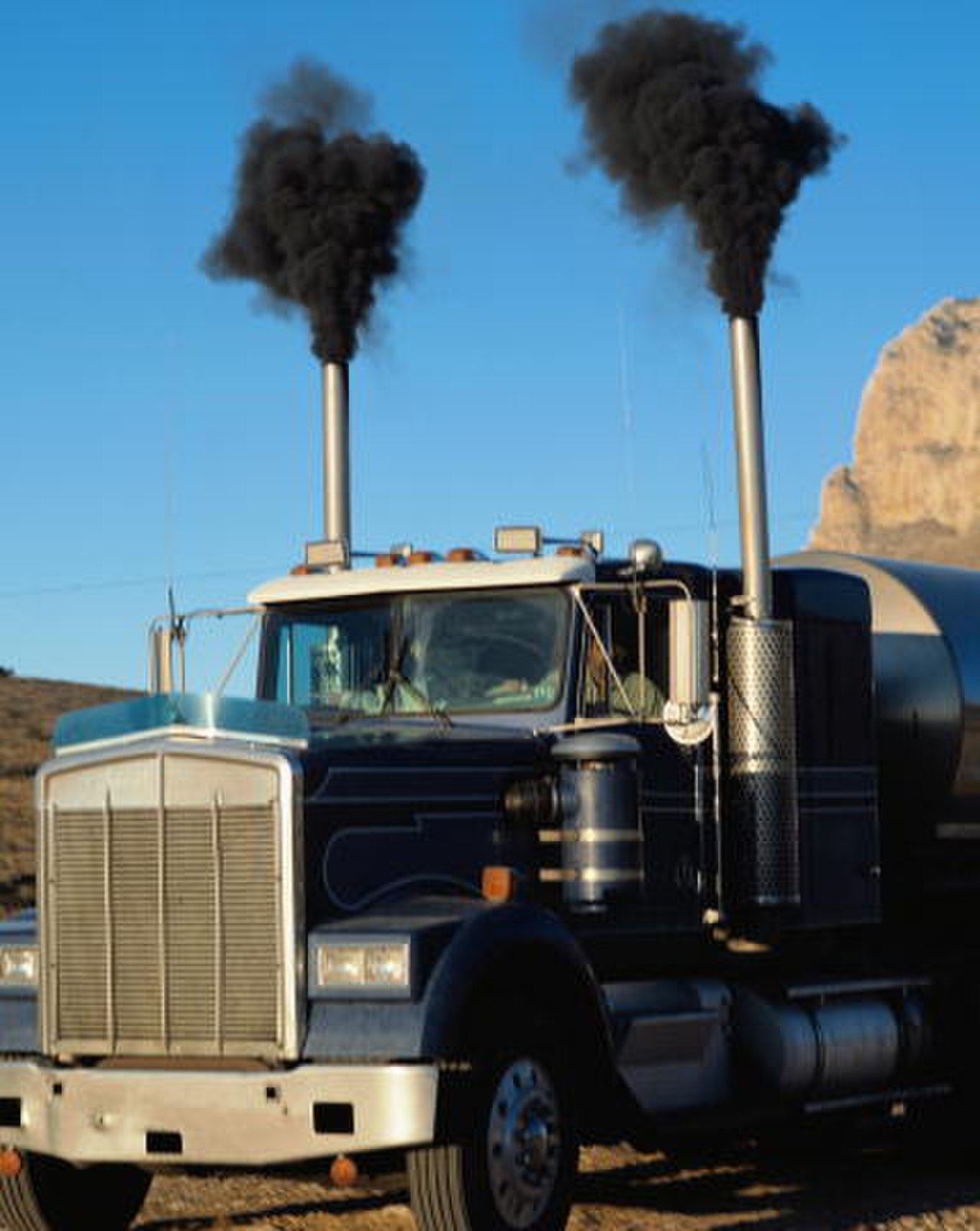
Externalities refer to the unintended consequences of economic activities that affect parties not directly involved in a transaction. These can be both…
Contents
- 🌎 Introduction to Externalities
- 📊 The Economics of Externalities
- 🚗 The Environmental Impact of Externalities
- 💧 Water Pollution: A Classic Example of Externalities
- 🏭 The Social Costs of Industrialization
- 📈 Measuring the Hidden Costs of Progress
- 🤝 The Role of Government in Addressing Externalities
- 🌟 Innovative Solutions to Externality Problems
- 🌎 Global Cooperation and Externalities
- 📊 The Future of Externalities in a Changing World
- Frequently Asked Questions
- Related Topics
Overview
Externalities refer to the unintended consequences of economic activities that affect parties not directly involved in a transaction. These can be both positive, such as the benefits of a beautiful public park, and negative, like pollution from a factory. The concept of externalities was first introduced by economist Arthur Pigou in the early 20th century, highlighting the need for governments to intervene in markets to correct for these external costs or benefits. For instance, a study by the World Health Organization found that air pollution from fossil fuels was responsible for an estimated 7 million premature deaths worldwide in 2016, underscoring the significant negative externalities associated with fossil fuel consumption. The challenge of addressing externalities is complex, involving not just economic considerations but also political, social, and environmental factors. As the world moves towards more sustainable practices, understanding and mitigating negative externalities will be crucial, with potential solutions including carbon pricing, regulations on pollution, and investments in renewable energy.
🌎 Introduction to Externalities
The concept of externalities is a crucial aspect of understanding the [[economics|Economics]] of progress. An externality, in economic terms, refers to a cost or benefit that affects a third party not directly involved in a transaction. For instance, the production of goods can result in [[air-pollution|Air Pollution]], which affects not only the producers and consumers but also the environment and public health. The cost of air pollution is not paid by either the producers or users of motorized transport, making it a classic example of a negative externality. This highlights the need for a more comprehensive approach to understanding the [[environmental-impact|Environmental Impact]] of economic activities. As noted by [[paul-krugman|Paul Krugman]], the failure to account for externalities can lead to market failures and inefficiencies.
📊 The Economics of Externalities
The economics of externalities is a complex field that involves understanding the [[market-failures|Market Failures]] that arise from unpriced components of consumption. The production and consumption of goods and services can result in externalities, which can be either positive or negative. For example, the construction of a new [[public-transportation|Public Transportation]] system can have positive externalities, such as reduced traffic congestion and improved air quality. On the other hand, the production of goods in a factory can result in negative externalities, such as [[water-pollution|Water Pollution]] and noise pollution. As discussed in [[microeconomics|Microeconomics]], the presence of externalities can lead to inefficiencies in the market, highlighting the need for government intervention or other solutions to address these issues.
🚗 The Environmental Impact of Externalities
The environmental impact of externalities is a significant concern, as it can result in [[climate-change|Climate Change]], [[deforestation|Deforestation]], and [[biodiversity-loss|Biodiversity Loss]]. The use of fossil fuels, for instance, can result in air pollution, which can have severe consequences for public health and the environment. The extraction and production of fossil fuels can also result in [[oil-spills|Oil Spills]] and other environmental disasters. As noted by [[al-gore|Al Gore]], the failure to address these externalities can have catastrophic consequences for the planet. This highlights the need for a more sustainable approach to economic development, one that takes into account the [[environmental-costs|Environmental Costs]] of progress. The concept of [[sustainable-development|Sustainable Development]] is closely related to this idea, as it seeks to balance economic growth with environmental protection and social justice.
💧 Water Pollution: A Classic Example of Externalities
Water pollution is a classic example of an externality, as it can result in significant costs to society. The production of goods in factories and mills can result in water pollution, which can affect not only the environment but also human health. The cost of water pollution is not paid by the producers or consumers of goods, making it a negative externality. As discussed in [[environmental-economics|Environmental Economics]], the presence of water pollution can result in significant economic costs, including the cost of cleaning up polluted waterways and the loss of [[ecosystem-services|Ecosystem Services]]. This highlights the need for policies and regulations that address these externalities, such as the [[clean-water-act|Clean Water Act]]. The work of [[rachel-carson|Rachel Carson]] has been instrumental in raising awareness about the importance of protecting the environment and addressing externalities.
🤝 The Role of Government in Addressing Externalities
The role of government in addressing externalities is a significant concern, as it can help to internalize the costs of these externalities. The use of [[regulations|Regulations]] and [[taxes|Taxes]] can help to address negative externalities, such as [[air-pollution|Air Pollution]] and [[water-pollution|Water Pollution]]. However, the use of these instruments can be limited, as they may not fully capture the complexity of the issues involved. As noted by [[greg-mankiw|Greg Mankiw]], the use of [[market-based-instruments|Market-Based Instruments]] can provide a more efficient approach to addressing externalities. This highlights the need for a more nuanced approach to understanding the role of government in addressing externalities. The concept of [[public-policy|Public Policy]] is closely related to this idea, as it seeks to develop policies that address the needs of society.
🌟 Innovative Solutions to Externality Problems
Innovative solutions to externality problems are being developed, including the use of [[renewable-energy|Renewable Energy]] and [[sustainable-technologies|Sustainable Technologies]]. The use of these solutions can help to reduce the negative externalities that arise from economic activities, such as [[climate-change|Climate Change]] and [[air-pollution|Air Pollution]]. As discussed in [[green-economics|Green Economics]], the use of these solutions can provide a more sustainable approach to economic development, one that balances economic growth with environmental protection and social justice. The work of [[amory-lovins|Amory Lovins]] has been instrumental in developing innovative solutions to externality problems. This highlights the need for a more comprehensive approach to understanding the [[economics-of-sustainability|Economics of Sustainability]].
🌎 Global Cooperation and Externalities
Global cooperation is essential for addressing externalities, as these issues often transcend national borders. The use of [[international-agreements|International Agreements]] can help to address global externalities, such as [[climate-change|Climate Change]] and [[biodiversity-loss|Biodiversity Loss]]. However, the use of these agreements can be limited, as they may not fully capture the complexity of the issues involved. As noted by [[joseph-stiglitz|Joseph Stiglitz]], the use of [[global-governance|Global Governance]] can provide a more effective approach to addressing global externalities. This highlights the need for a more nuanced approach to understanding the role of global cooperation in addressing externalities. The concept of [[global-citizenship|Global Citizenship]] is closely related to this idea, as it seeks to develop a sense of shared responsibility for addressing global challenges.
📊 The Future of Externalities in a Changing World
The future of externalities in a changing world is a significant concern, as it will require a more comprehensive approach to understanding the [[economics-of-externalities|Economics of Externalities]]. The use of [[artificial-intelligence|Artificial Intelligence]] and [[machine-learning|Machine Learning]] can help to identify and address externalities, such as [[climate-change|Climate Change]] and [[air-pollution|Air Pollution]]. However, the use of these technologies can be limited, as they may not fully capture the complexity of the issues involved. As discussed in [[futures-studies|Futures Studies]], the use of [[scenario-planning|Scenario Planning]] can provide a more effective approach to addressing the uncertainties and complexities of the future. This highlights the need for a more nuanced approach to understanding the [[future-of-externalities|Future of Externalities]].
Key Facts
- Year
- 1920
- Origin
- Cambridge, England
- Category
- Economics, Environment, Sociology
- Type
- Economic Concept
Frequently Asked Questions
What is an externality?
An externality is a cost or benefit that affects a third party not directly involved in a transaction. For example, the production of goods can result in air pollution, which affects not only the producers and consumers but also the environment and public health. The cost of air pollution is not paid by either the producers or users of motorized transport, making it a classic example of a negative externality. As noted by [[paul-krugman|Paul Krugman]], the failure to account for externalities can lead to market failures and inefficiencies. The concept of [[externalities|Externalities]] is closely related to the idea of [[market-failures|Market Failures]], which can result in significant social and economic costs.
What are the different types of externalities?
There are two main types of externalities: positive and negative. Positive externalities refer to benefits that affect a third party, such as the construction of a new public transportation system, which can reduce traffic congestion and improve air quality. Negative externalities, on the other hand, refer to costs that affect a third party, such as air pollution and water pollution. The presence of externalities can lead to [[market-failures|Market Failures]], which can result in significant social and economic costs. As discussed in [[microeconomics|Microeconomics]], the failure to account for externalities can lead to inefficiencies in the market. The concept of [[externalities|Externalities]] is closely related to the idea of [[public-goods|Public Goods]], which can provide benefits to society as a whole.
How can externalities be addressed?
Externalities can be addressed through a variety of mechanisms, including regulations, taxes, and market-based instruments. The use of regulations can help to internalize the costs of negative externalities, such as air pollution and water pollution. The use of taxes can also help to address negative externalities, by providing a financial incentive for companies to reduce their pollution. As noted by [[greg-mankiw|Greg Mankiw]], the use of market-based instruments can provide a more efficient approach to addressing externalities. The concept of [[public-policy|Public Policy]] is closely related to this idea, as it seeks to develop policies that address the needs of society. The work of [[rachel-carson|Rachel Carson]] has been instrumental in raising awareness about the importance of protecting the environment and addressing externalities.
What is the role of government in addressing externalities?
The role of government in addressing externalities is to internalize the costs of these externalities, through the use of regulations, taxes, and market-based instruments. The government can also provide information and education to the public about the importance of addressing externalities, and the benefits of doing so. As discussed in [[public-finance|Public Finance]], the government can use a variety of tools to address externalities, including [[subsidies|Subsidies]] and [[taxes|Taxes]]. The concept of [[public-policy|Public Policy]] is closely related to this idea, as it seeks to develop policies that address the needs of society. The work of [[joseph-stiglitz|Joseph Stiglitz]] has been instrumental in developing policies that address global externalities.
What are the challenges of addressing externalities?
The challenges of addressing externalities include the difficulty of measuring and valuing these externalities, as well as the complexity of the issues involved. The use of [[cost-benefit-analysis|Cost-Benefit Analysis]] can help to identify the costs and benefits of different economic activities, including the externalities that arise from these activities. However, this approach can be limited, as it may not fully capture the complexity of the issues involved. As noted by [[herman-daly|Herman Daly]], the use of alternative approaches, such as [[multi-criteria-decision-analysis|Multi-Criteria Decision Analysis]], can provide a more comprehensive understanding of the costs and benefits of different economic activities. The concept of [[sustainable-development|Sustainable Development]] is closely related to this idea, as it seeks to balance economic growth with environmental protection and social justice.
What is the future of externalities in a changing world?
The future of externalities in a changing world is a significant concern, as it will require a more comprehensive approach to understanding the [[economics-of-externalities|Economics of Externalities]]. The use of [[artificial-intelligence|Artificial Intelligence]] and [[machine-learning|Machine Learning]] can help to identify and address externalities, such as [[climate-change|Climate Change]] and [[air-pollution|Air Pollution]]. However, the use of these technologies can be limited, as they may not fully capture the complexity of the issues involved. As discussed in [[futures-studies|Futures Studies]], the use of [[scenario-planning|Scenario Planning]] can provide a more effective approach to addressing the uncertainties and complexities of the future. The concept of [[global-citizenship|Global Citizenship]] is closely related to this idea, as it seeks to develop a sense of shared responsibility for addressing global challenges.
How can individuals contribute to addressing externalities?
Individuals can contribute to addressing externalities by making conscious choices about their consumption and production activities. For example, individuals can choose to use [[public-transportation|Public Transportation]] or [[carpool|Carpool]], rather than driving a personal vehicle, to reduce their carbon footprint. Individuals can also choose to purchase products that are produced sustainably, and that have minimal negative externalities. As noted by [[al-gore|Al Gore]], individual actions can collectively make a significant difference in addressing externalities. The concept of [[personal-responsibility|Personal Responsibility]] is closely related to this idea, as it seeks to develop a sense of individual responsibility for addressing global challenges.